How to earn from your EV charger in Pakistan
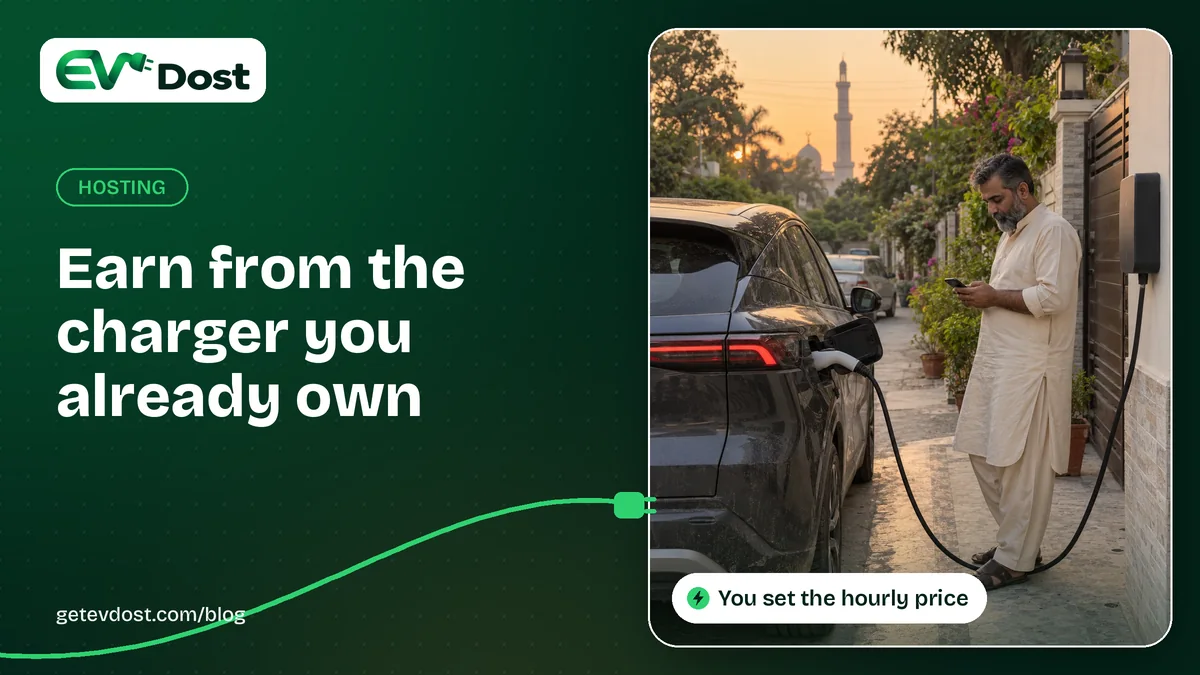
If you have a wallbox at home, think about how many hours a day it's actually charging something. For most owners it's a few hours overnight. The rest of the day, it hangs on the wall doing nothing.
Meanwhile, the number of electric cars in Pakistan keeps climbing, and public charging hasn't kept up. As of mid-2026, a Senate panel was told that more than 72 charging station licences had been issued across the country (Arab News, July 2026), while the government's own target is 3,000 stations by 2030 (Arab News, January 2026). There's a wide gap between the cars on the road and the places they can charge.
Hosting is how you can help close that gap, and earn money from your EV charger, a piece of kit you've already paid for.
How it works on EVDost
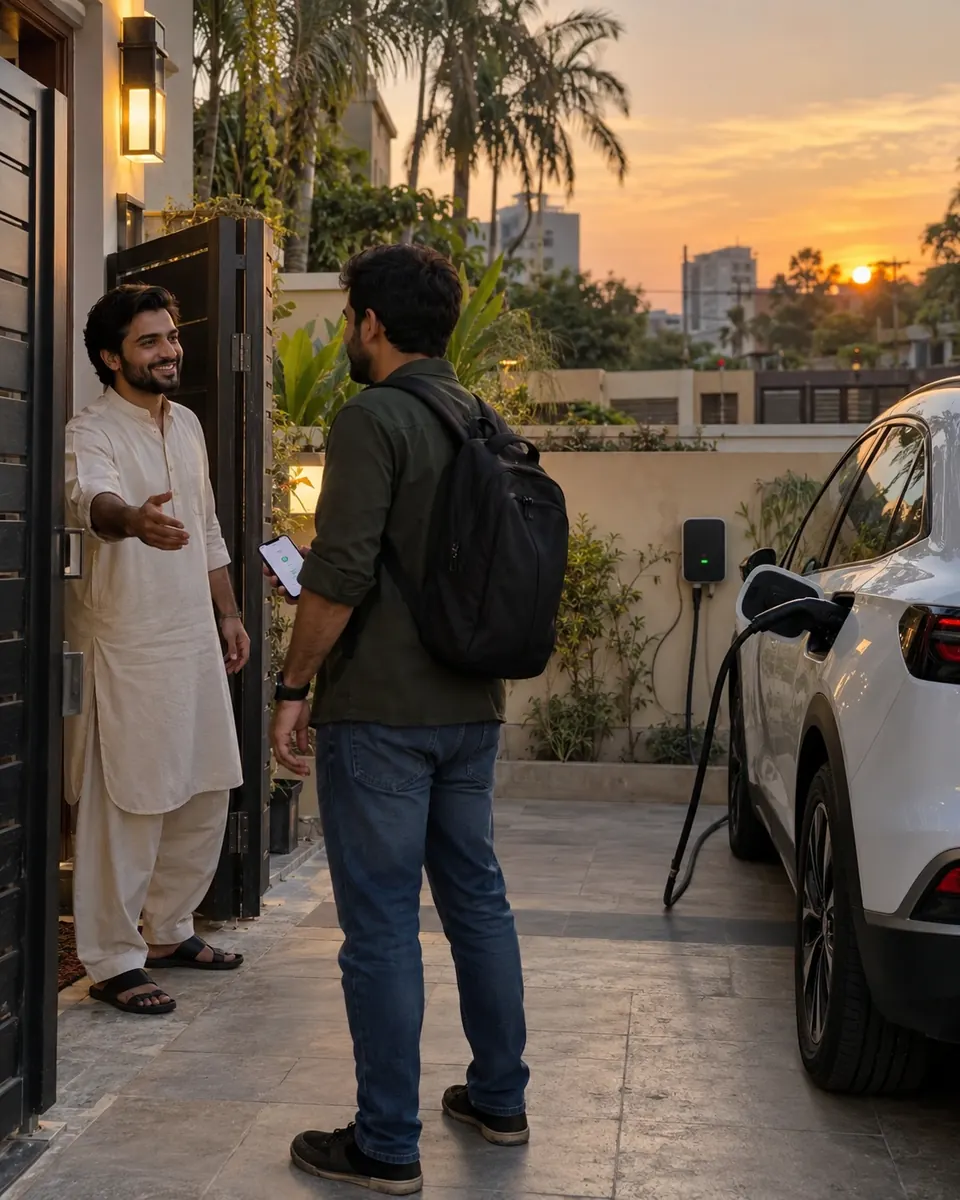
The idea is simple. You list your charger, choose when it's available, and set your own price per hour. Drivers nearby find you in the app, see your price and an estimated cost for their car, and come to charge.
A few details make it fairer for everyone:
- You set the hourly price. EVDost doesn't fix it. You know your electricity cost and your location better than we do.
- Drivers are billed in 10-minute blocks. If your price is Rs 600 an hour and someone charges for 40 minutes, they pay for four blocks, Rs 400. Nobody pays for a full hour they didn't use.
- Drivers can sort by best price and nearest. A competitive price brings in more drivers; a convenient location can justify charging more.
- You choose your hours. Maybe weekday mornings while you're at work and the car is gone, or only weekends. It's your charger.
- Hosts verify with a CNIC. That's all you need to list on EVDost. EVDost doesn't ask for a licence, but you're responsible for your own setup and for the rules that apply to you, including NEECA registration, which we cover below.
Drivers don't need to register their car. They just pick a model when searching, so the app can show which chargers fit and estimate the cost.
Working out your price
Start with your actual cost per unit. Take a recent electricity bill and divide the total amount by the units used. Base household tariffs run roughly Rs 37 to 55 per unit before taxes and surcharges (The Standard, February 2026), so your all-in figure will be higher. Use the number from your own bill.
Then work out how many units your charger delivers in an hour. A 7 kW wallbox delivers about 7 units an hour to a car that can accept 7 kW. Cars with a smaller onboard charger will draw less.
A worked example:
| Example | Amount |
|---|---|
| Your cost per unit | Rs 55 |
| Charger power | 7 kW |
| Your electricity cost per hour | about Rs 385 |
| Your price per hour | Rs 600 |
| Price per 10-minute block | Rs 100 |
| Your margin per hour of use | about Rs 215 |
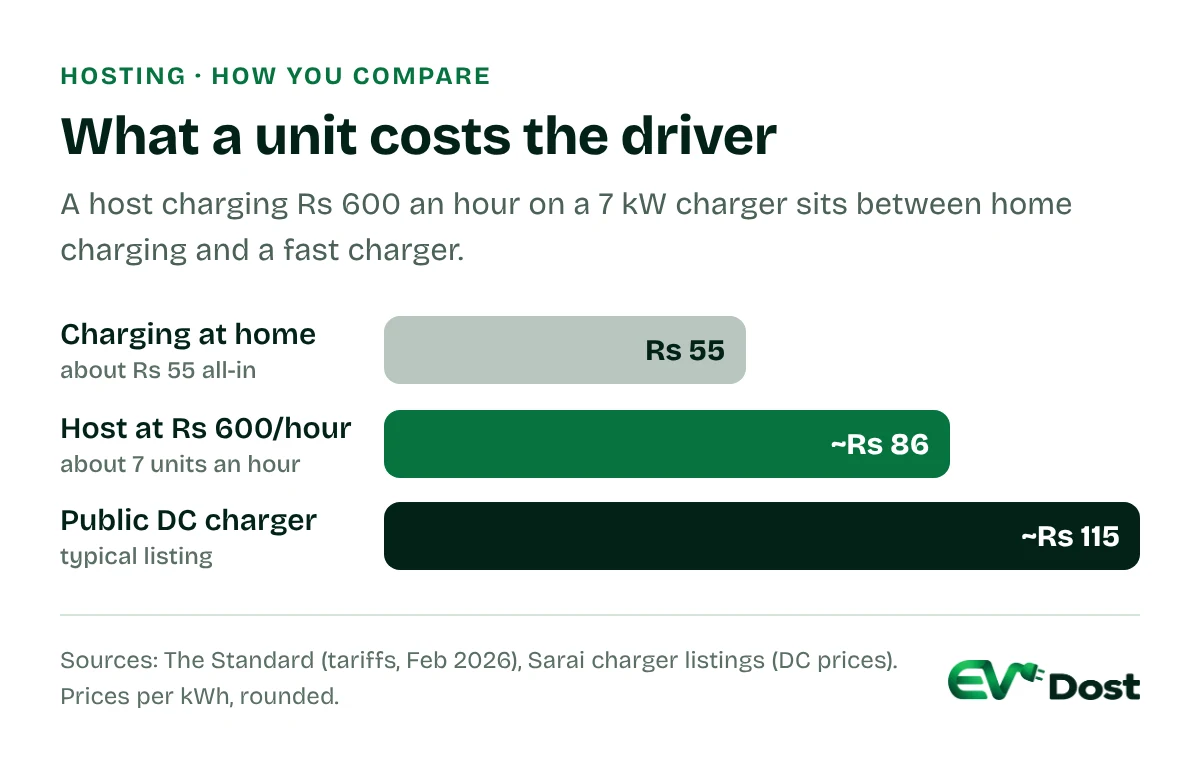
Now compare with what's around you. Public DC fast charging in Pakistan typically costs drivers around Rs 115 per kWh, with a wide range either side (Sarai charger listings). At Rs 600 an hour for about 7 units, you're charging roughly Rs 86 a unit, which is meaningfully cheaper than fast charging, if slower. For a driver who's parked nearby for an hour or two anyway, that's a good deal.
Don't forget the slab effect
Extra units from hosting are added to your household bill, and in Pakistan's slab system that can push you into a higher bracket where many more of your units are charged at a higher rate. If you're already near a slab boundary, price with that in mind, or limit hosting hours. Check your bill after the first month and adjust.
How much can you earn from an EV charger in Pakistan?
It depends on demand near you, and it's early days.
Peer-to-peer charger sharing is still an emerging market even in the UK, where it's furthest along. Co Charger reported around 6,700 hosts and JustCharge just over 4,000 by mid-2026 (Zapmap). A peer-reviewed interview study of UK hosts found their earnings were small and irregular, mainly offsetting household energy costs, with helping nearby drivers a secondary benefit (Frontiers in Sustainable Cities, February 2026). In the US, the EVmatch platform reported in 2019 that hosts averaged about $60 a month in profit, and commercial hosts about $120 (Charged EVs, 2019).
Pakistan is different in one important way: public charging is far scarcer here than in the UK. That means a well-placed host near a busy road, a market, offices or a hospital may see much more demand. But we'd rather you start with realistic expectations. Think of it as a useful side income that grows as more EVs arrive in your area, not a salary.
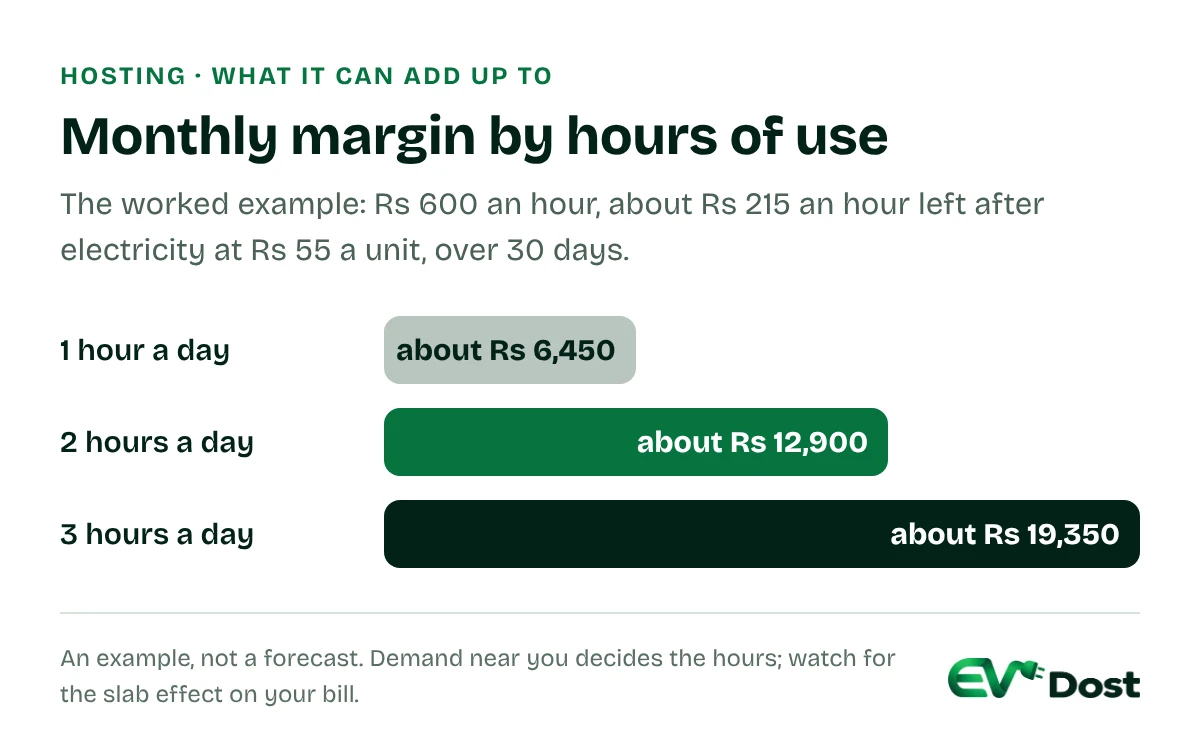
Using the example above, if drivers use your charger for two hours a day on average, that's around Rs 430 a day in margin, or about Rs 13,000 a month. At one hour a day, half that.
Who makes a good host?
- Homeowners with a wallbox, especially near main roads, markets or offices.
- Small hotels and guest houses, particularly on routes to the north, where travellers need overnight charging.
- Offices and clinics with parking, where cars sit for hours anyway.
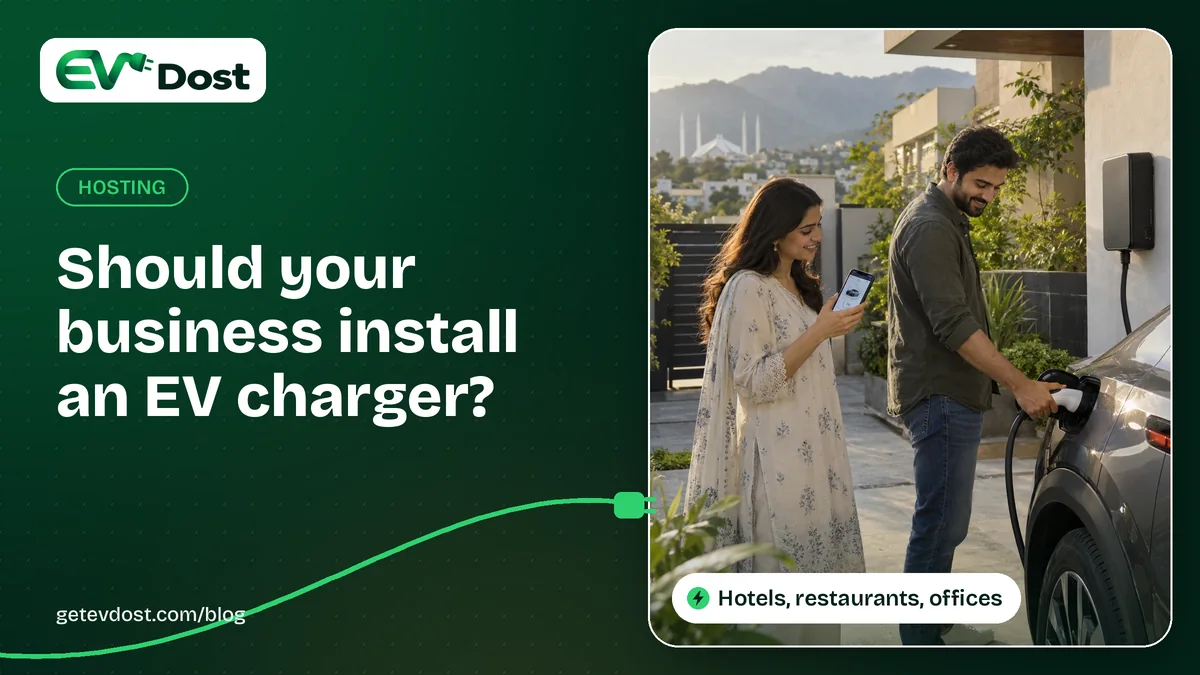
- Restaurants and cafés, where an hour of charging pairs naturally with a meal. Our guide for businesses installing an EV charger covers costs and registration.
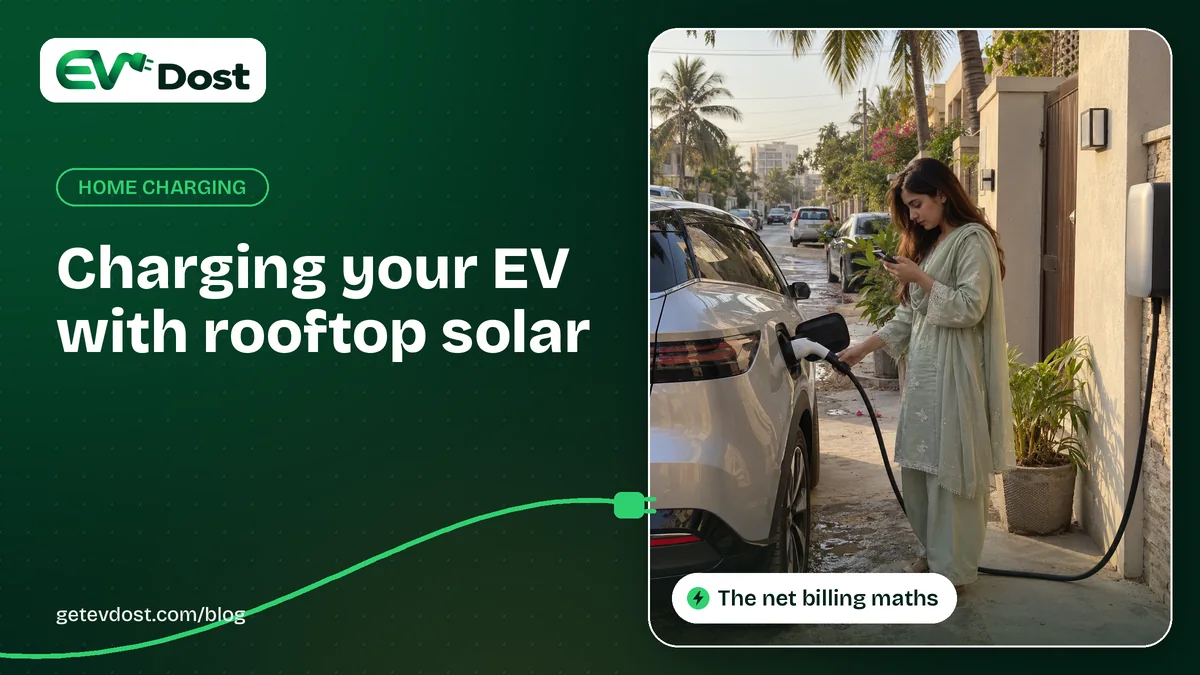
- Homes with solar. Under net billing, exported units earn roughly Rs 10 to 13 according to press reports (The Standard), so selling them through your charger is often worth far more. See charging your EV with solar.
Things to check before you list
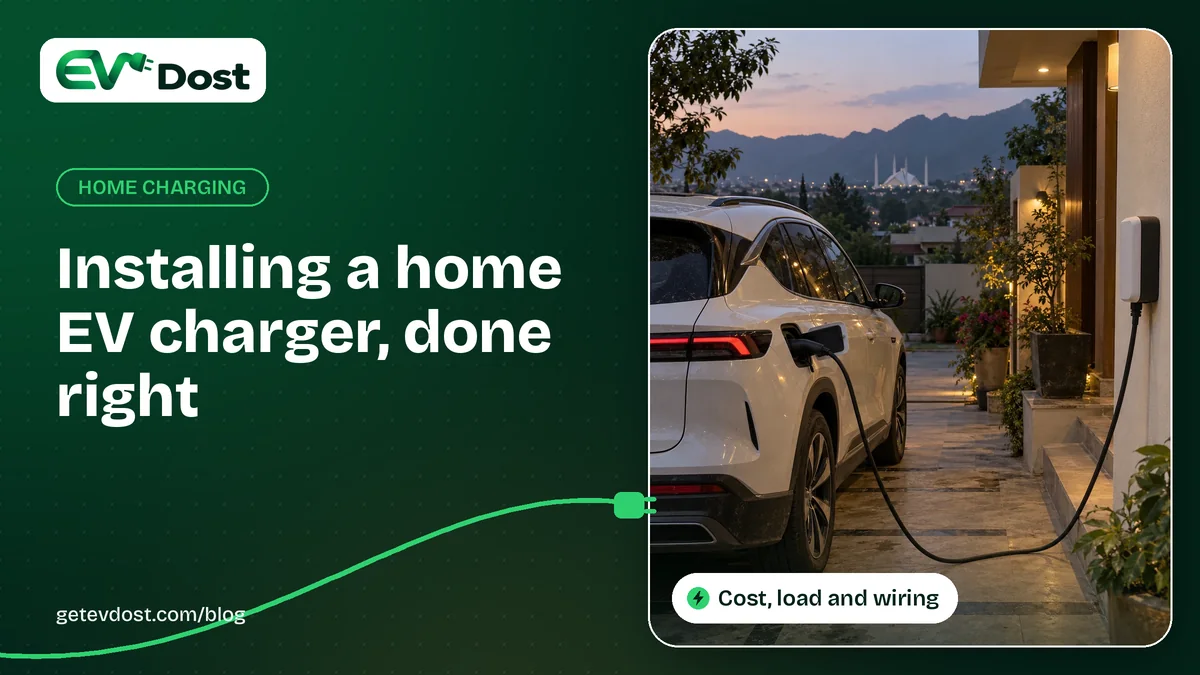
- Your installation. It should be on a dedicated circuit, properly earthed and protected. Our home charger installation guide covers this. Under EVDost's terms, the safety of your charger is your responsibility, so get a qualified electrician to check it if you're unsure.
- Registration with NEECA. This is the one to take seriously. NEECA's 2024 charging regulations say no charging station may be set up unless it's registered with NEECA, and they describe a "private captive" charger, for the owner's own vehicles, as one that must not be used commercially to charge other vehicles (NEECA regulations, 2024). Charging drivers for the use of your wallbox may therefore need registration, which costs Rs 50,000 per station, plus an annual fee for Level 2 and faster chargers. NEECA hasn't published guidance aimed at homeowners, so ask NEECA before you list, and keep the answer. You're responsible for complying with the rules that apply to you.
- Access and parking. Where will the driver park? Will they need to come through a gate? Make the instructions clear in your listing.
- Your hours. Only list times when you're happy for someone to arrive.
Writing a listing drivers trust
Drivers are deciding whether to drive to a stranger's gate, so a clear listing does a lot of the work. A few things help:
- A photo of the charger and the parking spot, taken in daylight, so a driver recognises the place when they arrive.
- Exact directions for the last 100 metres. Gate colour, which side of the street, where to park, whether to ring or message first.
- The plug and power stated accurately. If your wallbox is 7 kW but your supply limits it, say so.
- Honest hours. It's better to list fewer hours and always be available than to list many and turn people away.
- House rules, kept short. For example, no hooting at the gate, or please move the car when charging finishes.
After the first few sessions, look at what drivers ask you and add the answers to the listing.
Getting started
Listing takes a few minutes. Create a host account, verify your CNIC, add your charger's plug type and power, set your price and hours, and you're live.
Frequently asked questions
How much can I earn by sharing my EV charger in Pakistan?
Roughly Rs 6,000 to 13,000 a month for one to two hours of use a day, in our October 2026 example; demand near you decides the hours, and it's early days. In that example, a 7 kW charger priced at Rs 600 an hour leaves about Rs 215 an hour after electricity at Rs 55 a unit. Two hours of use a day would be about Rs 13,000 a month; one hour a day, about half that. Treat it as side income, not a salary.
How should I price my EV charger per hour?
Work out your all-in cost per unit from your bill (total amount divided by units), multiply by your charger's power in kW to get your hourly electricity cost, then add a margin. Compare the result with nearby options: public DC charging typically costs drivers around Rs 115 per kWh.
Do I need a licence to share my home EV charger?
Possibly. EVDost itself asks only for CNIC verification, but NEECA's 2024 regulations require charging stations to be registered, and say a private home charger must not be used commercially to charge other vehicles. Registration costs Rs 50,000 per station, plus an annual fee for Level 2 and faster chargers. NEECA hasn't published guidance for homeowners, so ask NEECA before you list. You're responsible for your installation's safety and for the rules that apply to you.
Will hosting push my electricity bill into a higher slab?
It can. Units drivers use are added to your household bill, and crossing a slab boundary can raise the rate on many more of your units. If you're near a boundary, price for it or limit your hours, and check your bill after the first month.
How do drivers pay an EVDost host?
Drivers pay the host directly after each charge, by Raast, JazzCash, Easypaisa or bank transfer to the details the host adds in the app. EVDost takes no commission for now. Billing is in 10-minute blocks, counted by EVDost's server.
Sources
- Arab News, charging licences and EV projections (July 2026): arabnews.pk
- Arab News, 3,000-station target (January 2026): arabnews.pk
- The Standard, grid price range (February 2026): thestandard.com.pk
- NEECA, EV Charging Infrastructure and Battery Swapping Regulations 2024: neeca.pk
- Sarai, public charger listings: saraicharge.com
- Zapmap, home and community charging statistics (2026): zapmap.com
- Frontiers in Sustainable Cities, study of peer-to-peer charging hosts (February 2026): frontiersin.org
- Charged EVs, EVmatch host earnings (2019): chargedevs.com